Soft Water vs. Hard Water: What Rockford IL Homeowners Should Know
Hard water can leave spots on glassware, mineral deposits on faucets, and residue on laundry. Learn how soft water differs from hard water, what changes you may notice around your Rockford, IL home, and when a water softener may help.
What Is the Difference Between Hard Water and Soft Water?
The main difference between hard water and soft water is the amount of dissolved calcium and magnesium minerals they contain.
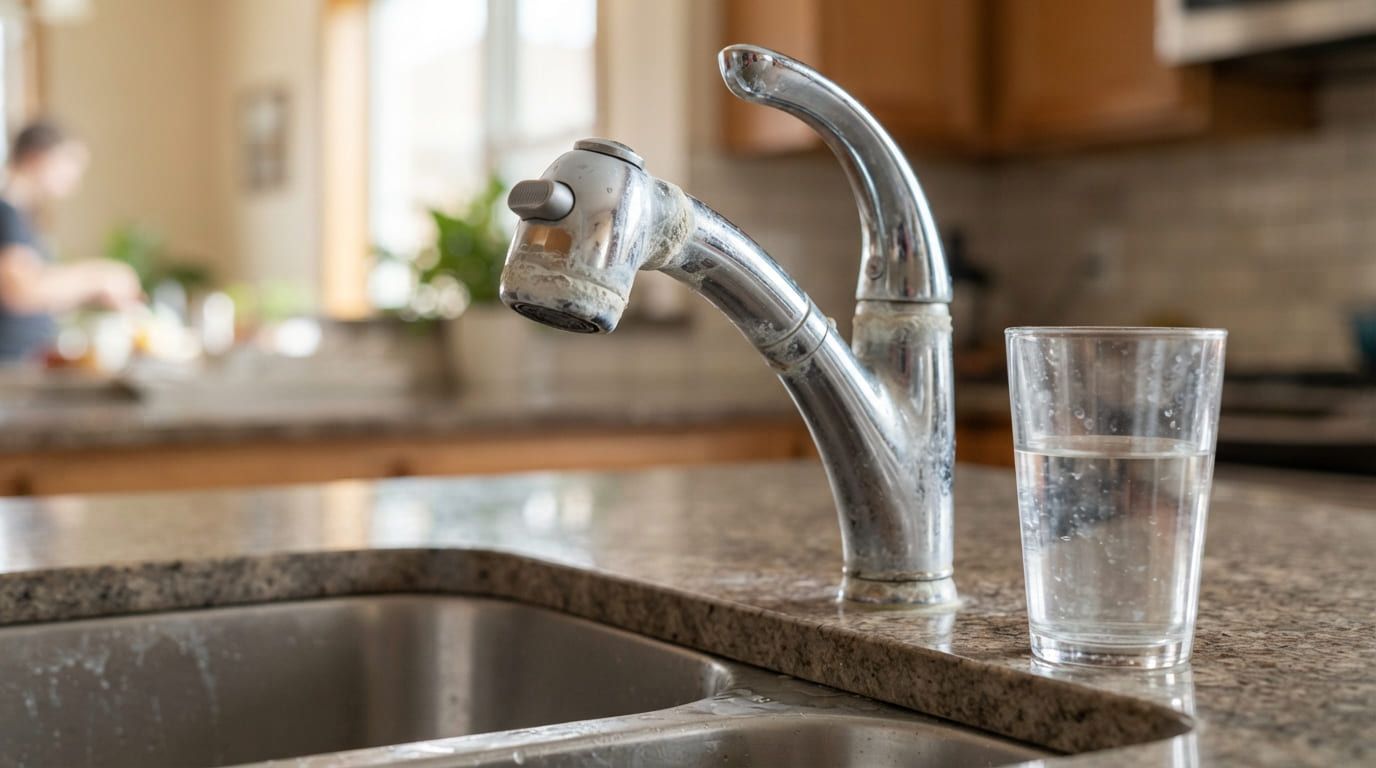
Hard water contains more of these minerals. As water dries, they can leave visible deposits on faucets, shower doors, dishes, and other surfaces. Hard water can also reduce how effectively soap lathers and contribute to scale buildup inside plumbing and water using appliances.
Softened water has reduced calcium and magnesium levels because a conventional salt based water softener removes these hardness minerals through ion exchange.
For Rockford homeowners, understanding this difference can help explain why mineral spots appear repeatedly even after cleaning and why some household tasks may feel easier when water hardness is properly managed.
1. Hard Water Can Leave Spots on Glassware and Dishes
One of the most noticeable signs of hard water is the cloudy film or white spotting that appears on drinking glasses, plates, and silverware after washing.
These marks can form when water containing dissolved hardness minerals evaporates and leaves mineral residue behind. Dishwasher detergent, rinse aid, and washing conditions can also affect the final result.
With properly softened water, mineral spotting caused by calcium and magnesium can decrease. Glassware may look clearer, and less time may be needed to remove stubborn deposits.
If spots continue appearing after installing a softener, check that the dishwasher is receiving softened water and review its detergent and rinse aid recommendations.
2. Soap and Shampoo May Work Differently
Hard water minerals can react with soap and create residue that does not rinse away as easily. This can leave soap scum on shower walls, bathtub surfaces, and bathroom fixtures.
You may also find that soap produces less lather than expected, leading you to use more product during bathing or cleaning.
Softened water generally allows soap to lather more readily because fewer hardness minerals are available to interfere with it. This may make it easier to rinse away soap and keep shower surfaces cleaner.
Some people notice that their skin feels different after switching to softened water. However, skin comfort varies from person to person, and water softening should not be treated as a medical solution for skin conditions.
3. Laundry May Feel Different After Washing
Hard water can interfere with detergent performance and contribute to mineral residue on fabrics. Depending on water hardness, detergent type, and washing conditions, clothes may feel stiff or appear less bright over time.
Softened water can help detergent work more effectively, potentially reducing the amount needed for certain loads. It may also reduce hardness related residue that affects towels, sheets, and everyday clothing.
To get the best results, follow the detergent manufacturer's dosing instructions. You may need less detergent with softened water, but using too little can still leave clothes insufficiently cleaned.
If laundry continues to look dull or smell unpleasant, consider other causes as well, including detergent buildup, an overloaded washer, or a machine that needs cleaning.
4. Hard Water Can Contribute to Scale Inside Appliances
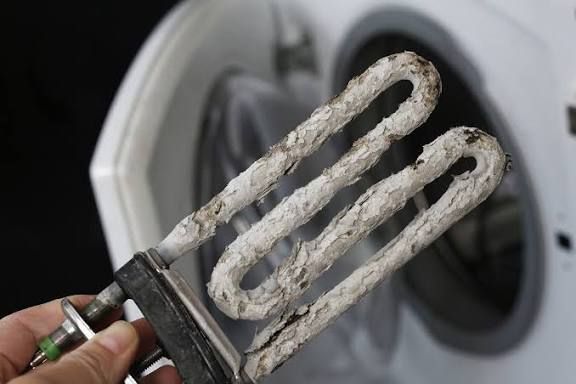
Mineral buildup is not limited to surfaces you can see. Hard water can contribute to scale accumulation in water heaters and other appliances that heat or use water regularly.
Over time, scale may interfere with heat transfer, restrict water flow in affected components, or increase maintenance needs. The severity depends on water hardness, temperature, usage, and equipment design.
A properly functioning water softener can reduce the calcium and magnesium entering these appliances, helping limit hardness related scale.
However, a softener does not remove every contaminant or eliminate all appliance maintenance. Water heaters, dishwashers, washing machines, and plumbing still need care according to their manufacturers' recommendations.
5. Faucets and Showerheads May Need Less Scrubbing
If you regularly clean white deposits from bathroom faucets, showerheads, or sink fixtures, hard water may be contributing to the problem.
When hard water evaporates, calcium and magnesium compounds can remain on surfaces. Repeated deposits can make chrome, glass, and other finishes look dull and require frequent cleaning.
Softened water can reduce these hardness related deposits, making routine cleaning easier. It may also help limit scale around showerhead openings that can interfere with water flow.
Existing buildup will not necessarily disappear when a softener is installed. Older deposits may need to be removed using a cleaner suitable for the surface, following the manufacturer's instructions.
6. Does Rockford Have Hard Water?
Yes. The City of Rockford identifies its groundwater supply as naturally hard, meaning it contains calcium and magnesium minerals. The city's published water information has historically reported substantial hardness, although the actual level can vary with water source and location.
You can review the city's official information through its Water Quality page.
If you want to know the hardness level at your specific property, consider testing the untreated water entering your home. This is especially useful if you are selecting a water softener or adjusting an existing system.
Homes with private wells may have different water conditions from homes connected to the municipal supply. Testing can help identify hardness and determine whether other issues, such as iron or manganese, also need attention.
7. Is a Water Softener Right for Your Home?
A water softener may be worth considering if you frequently notice mineral deposits, soap scum, or scale in your home. It can also be helpful when testing confirms that your water has enough hardness to affect everyday cleaning and appliance maintenance.
Before choosing a system, consider:
- Water hardness: Test your incoming water to establish the actual mineral level.
- Household water use: The system should match the number of people in your home and your typical water consumption.
- Equipment capacity: A properly sized softener can manage hardness without regenerating unnecessarily often.
- Salt and maintenance: Conventional softeners require periodic salt replenishment and maintenance.
- Other water concerns: Iron, sediment, taste, and odor may require separate treatment depending on the test results.
A water softener is designed primarily to reduce hardness minerals. It is not a complete water purification system, so additional treatment should be based on identified water quality concerns.
8. What If You Already Have a Water Softener?
If your home has a softener but you still see white spots, scale, or soap residue, do not immediately assume that the equipment needs replacing.
First, check the salt level and make sure the bypass valve is in the correct position. Review the regeneration schedule and confirm that the hardness setting matches your incoming water.
You can also test the water from a tap that should receive softened water. If hardness remains high, the system may need servicing or a closer inspection of its resin and control components.
Remember that some marks can come from detergent, cleaning products, or other minerals. Testing helps determine whether hardness is actually the cause.
Enjoy the Practical Benefits of Softer Water in Rockford
The difference between hard water and soft water becomes apparent in many everyday tasks, from washing dishes to cleaning bathroom fixtures. While softened water will not solve every water quality issue, reducing calcium and magnesium can help limit mineral deposits, improve soap performance, and reduce hardness related scale.
For Rockford, IL homeowners, the best starting point is to understand your water's actual hardness and decide whether a properly sized, maintained water softener fits your household needs.
Rockford Water Softener helps homeowners in Rockford, Illinois understand hard water concerns and explore suitable water treatment options. Whether you are dealing with recurring mineral buildup or want to learn more about softening your home's water, the right assessment can help you make an informed decision.