Hard Water 101: Understanding Your Rockford IL Home’s Water
White spots on faucets, cloudy glassware, and buildup around fixtures are common signs of hard water. Learn what causes these problems, what grains per gallon means, and how a water softener can help.
Hard water is one of those household problems that can be easy to overlook at first. Your water may look perfectly clear when it comes from the faucet, yet you may gradually notice white spots, stubborn residue, or buildup around sinks and shower fixtures.
For homeowners in Rockford, IL, understanding what causes these deposits can make it easier to decide whether water treatment is worth considering. Hard water is mainly caused by dissolved minerals, particularly calcium and magnesium. These minerals can affect cleaning, plumbing fixtures, and water using appliances throughout your home.
Why Does Hard Water Leave White Spots?
The white crusty spots you see around faucets are usually mineral deposits left behind after water evaporates.
When water containing calcium and magnesium dries on a surface, the water disappears but the minerals remain. Repeated exposure can create a visible layer of residue.
You may notice these deposits around:
- Kitchen and bathroom faucets
- Shower doors and walls
- Sinks and tubs
- Glassware
- Dishwasher surfaces
- Fixtures around toilets
Regular cleaning can remove the deposits, but if the underlying water remains hard, they can keep coming back.
What Does Hard Water Do to Appliances?
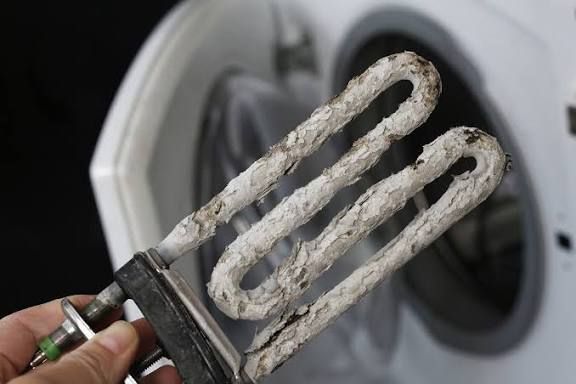
Hard water does not only affect surfaces you can see. Minerals can also accumulate inside appliances that regularly use water.
Water heaters, dishwashers, washing machines, coffee makers, and other equipment can develop mineral buildup over time. The amount of buildup depends on the hardness of the water, how much water your household uses, and how long the appliance is exposed to those minerals.
Reducing hardness can help limit the amount of mineral scale entering these appliances.
What Are Grains Per Gallon?
When people talk about water hardness, you may hear the term grains per gallon, commonly abbreviated as gpg.
A grain is a unit used to measure the amount of hardness minerals in water. Grains per gallon tells you how much hardness is present in a gallon of water.
The higher the gpg measurement, the harder the water.
This measurement is important when choosing and setting up a water softener because the equipment needs to account for the amount of hardness entering the home.
Instead of guessing whether your water is hard, testing provides a more useful picture of your actual water conditions.
How Can You Tell If Your Rockford Home Has Hard Water?
Some signs are easy to recognize.
If you regularly clean white residue from your faucets, notice cloudy spots on freshly washed glasses, or find that soap does not seem to rinse away easily, hard water may be contributing to the problem.
You may also notice mineral buildup inside fixtures or changes in how laundry feels after repeated washing.
These signs do not tell you the exact hardness level, however. A water test is the better way to determine how much calcium and magnesium are present.
Hard Water Can Make Cleaning More Difficult
Hard water can change how soap and cleaning products interact with water.
Calcium and magnesium can interfere with soap, making it harder to create the lather you expect and potentially leaving residue behind. This can mean additional rinsing or cleaning around sinks, showers, and other surfaces.
With less hardness in the water, many household cleaning tasks can become easier because there are fewer minerals available to form deposits.
What Does a Water Softener Do?
A traditional water softener uses a process called ion exchange to reduce calcium and magnesium from the water.
Inside the softener is a tank containing resin beads. As hard water passes through the resin, the beads capture hardness minerals. The treated water then continues through the home's plumbing.
The resin eventually needs to be regenerated so it can continue treating incoming water. A brine solution is used during regeneration to restore the resin's ability to exchange hardness minerals.
The result is water with significantly less calcium and magnesium hardness.
Does Soft Water Eliminate Every Water Problem?
No. It is important to understand what a water softener is designed to do.
A softener primarily addresses hardness minerals. It is not automatically a complete solution for every water quality concern.
Iron, sediment, odors, or other contaminants may require different treatment equipment depending on what testing shows. This is why understanding your actual water quality is important before choosing a treatment system.
Is a Water Softener Worth Considering?
For a homeowner dealing with recurring mineral deposits, appliance buildup, or difficult cleaning, a water softener may be worth considering.
The first step is determining the hardness level. Once you know the gpg measurement, you can better understand the severity of the problem and what type of treatment may be appropriate.
A properly selected and maintained system can help reduce mineral buildup throughout the home and make everyday water use more convenient.
A Clearer Understanding of Hard Water in Rockford
Hard water is not always obvious when you first turn on a faucet. The clues often appear gradually through white deposits, cloudy glassware, stubborn residue, and mineral buildup inside water using appliances.
For homeowners in Rockford, IL, understanding grains per gallon and having the water tested can provide a much clearer picture of what is happening inside the home.
Rockford Water Softener can help homeowners understand hard water concerns and explore practical water treatment options. If mineral deposits are becoming a constant cleaning problem or you want to know how hard your water actually is, professional water testing and guidance can help you determine the right next step.